
Underwear Fabric KnowledgeFeatured
2026年3月1日
How to decide Underwear Fabric Composition for brand: The Secret to Perfect Fit
Discover the secret to comfortable underwear. Learn how to read fabric composition labels, understand yarn count (S) vs. spandex denier (D), and choose the best quality.
Have you ever wondered why some underwear feels like a second skin, while others lose their shape after just a few washes? The secret to ultimate comfort doesn't just lie in whether it's made of cotton or modal—it hides in the fabric composition, yarn count (S), and spandex denier (D).
In this comprehensive guide, we will decode underwear labels and explain the optimal fabric ratios for maximum comfort and durability.
The Golden Rule of Underwear Fabric: Yarn Count and Spandex
Almost all modern underwear fabrics contain Spandex (often labeled as SP or Elastane)to provide stretch. The composition percentage on your label is directly related to the yarn count (S) and the spandex denier (D), regardless of the main material.
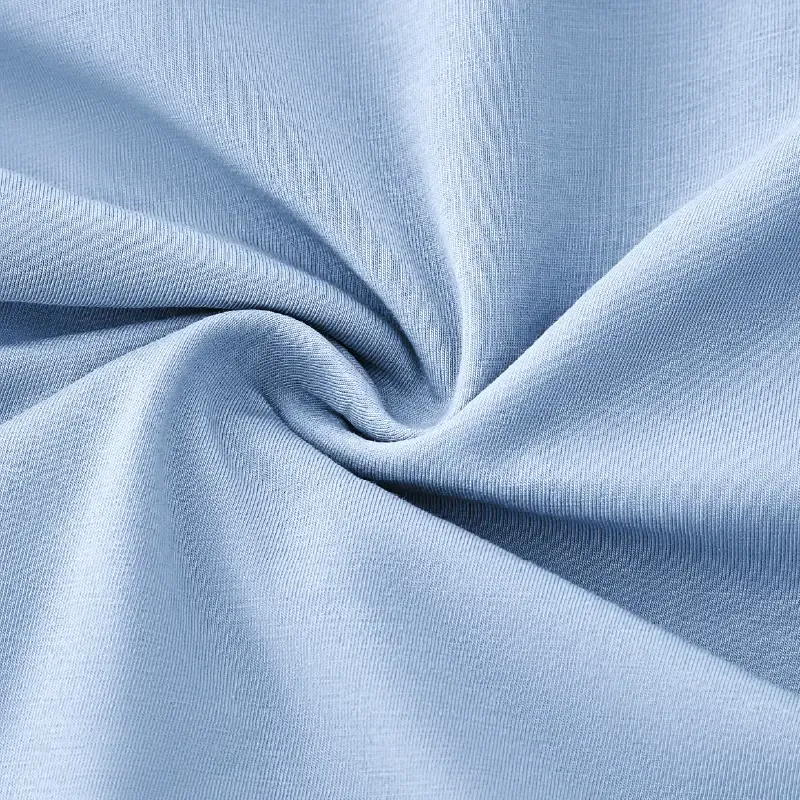
Let’s take Cotton Spandex Jersey (Stretch Plain Weave)as an example to break down the 5 levels of underwear quality:
1. The Market Standard: 40S + 20D (95% Cotton + 5% Spandex)
This is the most common standard in the market.
- Quality Check: High-quality options use combed cotton, while cheaper alternatives use carded cotton.
- Best for: Everyday basic wear.
2. The Brand Basic: 50S + 20D/30D (91% - 94% Cotton)
Brands with higher quality standards typically use this ratio, primarily featuring combed cotton.
- 50S + 20D (94% Cotton + 6% SP): The standard brand approach.
- 50S + 30D (91% Cotton + 9% SP): Used for products requiring higher elasticity and a more tailored fit.
3. High-Count & High-Density: 60S + 20D/30D (89% - 92% Cotton)
Fabrics at 60S and above are considered high-count and high-density. They often blend in long-staple cotton to ensure yarn strength.
- 60S + 20D (92% Cotton + 8% SP): Standard premium approach.
- 60S + 30D (89% Cotton + 11% SP): Excellent for high-stretch, form-fitting underwear.
4. The "PRO" Level: 80S + 20D/30D (85% - 90% Cotton)
Made with premium long-staple cotton, this is the "PRO" version of underwear fabrics, offering exceptional elasticity and shape recovery.
- 80S + 20D (90% Cotton + 10% SP): Great balance of stretch and recovery.
- 80S + 30D (85% Cotton + 15% SP): The superior choice for hip-hugging panties and comfortable seamless bras.
5. The "PRO+" Luxury Level: 100S + 20D (86% Cotton + 14% Spandex)
This is the pinnacle of underwear fabric. It requires top-tier long-staple cotton to maintain strength. The spinning, weaving, and dyeing processes are extremely demanding, making the fabric significantly higher. more expensive
The following 4 Expert Tips for Choosing the Best Underwear for Wholesalers
The ratios above are the result of years of product iteration, optimizing elasticity, recovery, and dynamic fit. Here is what else every brand needs to know:
- Higher Spandex = Better Wrapping: With the same Denier (D), a higher spandex percentage means better elasticity. The underwear will wrap around your body perfectly and resist sagging or deformation over time.
- Manufacturing Variations: Different factories use different yarn lengths and spandex draft ratios, which can cause slight deviations in the final composition percentages.
- Fabric Structure Matters: The rules above apply to stretch jersey (plain weave). If the fabric is ribbed or double-knit, the composition ratios will differ. Specialty items like shapewear may even use 40D or 70D spandex.
- LYCRA® vs. Generic Spandex: A 20D spandex from the LYCRA® brand offers superior elasticity, recovery, and fatigue resistance, but it is expensive. Some brands cut costs by using generic 30D spandex to achieve a similar stretch, but this will increase the overall weight of the fabric.