
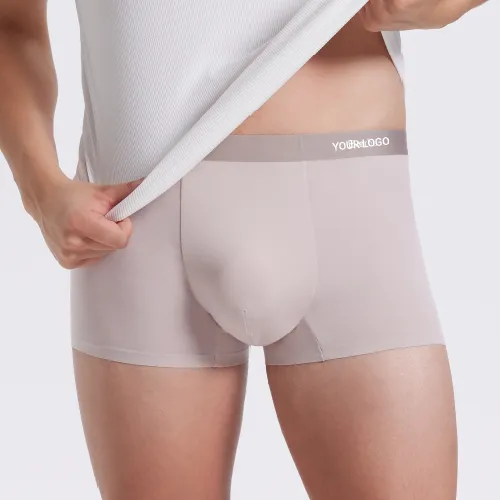
Men's underwear Whole saleFeaturedPractical
2026年2月7日
How to Choose the most popular Men’s Underwear for New Brand for easy startup
For a low-cost men’s underwear business startup, the “Hero products” boxer briefs, briefs, or boxers can be the right choice and the most profitable for your startup.
For a low-cost men’s underwear business startup, YDL-underwear factory can provide “Hero products” boxer briefs, briefs, or boxers as the right choice and the most profitable for your startup. They can improve sell-through, target specific markets, and mitigate inventory risk.
Here’s a quick guide from 4 points to help you decide.
1. The Most Popular Underwear Characteristics:
Underwear | Characteristics | Comfort & Wear Case | Size |
Boxer Briefs | Top seller in the US and EU DTC market. Snug fit with leg coverage. | High support; prevents thigh chafing. suitable for office work, sports, and casual wear | Easy to fit, Elasticity allows one size to fit a broader range of body types, reducing customer returns. |
Briefs | Classic Y-front or modern low-rise. No leg fabric. | Maximum support. Modern briefs have evolved from "essentials" to fashion-forward items. | ModerateRequires a precise fit to avoid leg-hole constriction. |
Boxers | Loose, woven shorts with a button fly. | Maximum breathability. Best for lounging or sleepwear. | Easy to fit. Relaxed fit makes sizing less critical for the end user. |
Thongs | Minimalist coverage with a rear string. | Zero visible lines. Primarily niche or "sexy" apparel. growing in the "men’s fashion". | Low. Precise fit is essential for comfort in sensitive areas. |
2. The Most Popular Underwear Market Sales Rankings:
When examining global platforms like Amazon, Alibaba, TikTok, and Shopee, there is clear data in terms of transaction volume:
Boxer Briefs (40-45% of Sales):
For your underwear business startup, this is the "safest" bet. They are frequently sold in 3-pack or 5-pack bundles, which increases the average order value (AOV) and helps offset shipping costs.
Briefs (25-30% of Sales):
Briefs maintain a strong second place. High-waisted and low-rise variations allow brands to target different sub-segments.
Boxers (15-20% of Sales):
While sales are stable, boxers have the lowest growth rate. Consumers tend to buy them less frequently because they are more durable (made from woven fabric) and less subject to "trend" cycles.
Thongs/Niche (5% of Sales):
This category has the lowest volume but often the highest profit margins. There is less competition here, allowing a startup to become a "big fish in a small pond."
3. Market Preferences: Targeting Your Underwear Consumers
A startup’s choice should be dictated by the age and lifestyle of its target consumer:
Gen Z (18–25) underwear demand:
This group values Aesthetics and Sustainability. They are moving away from baggy boxers toward "Trunks" (short-leg boxer briefs) and fashion briefs. They are highly responsive to eco-friendly and comfortable fabrics, such as bamboo or Modal.
Millennials (26–45)underwear demand:
The "Performance" generation. They prioritize functionality. Moisture-wicking fabrics, "pouch" technology, and anti-chafe designs are their primary triggers. Boxer briefs are their default choice.
Gen X & Boomers (46+) values underwear with Familiarity and Durability.
They are the primary consumers of traditional loose boxers and classic white briefs. They are less likely to experiment with new styles but are highly loyal once they find a brand they like.
4. OEM Perspective: Underwear MOQ and Production Process Management
Fabric-Driven MOQ:
- The biggest hurdle for a startup is the MOQ. Factories typically require an MOQ that matches one "dyeing vat" or one "fabric roll." This usually equates to 1,500 to 3,000 units per color. FDL factory keeps black, navy, grey, and white fabric in stock. By choosing these colors, a startup can often negotiate an MOQ as low as 500 pieces.
Production Process Management:
- Boxer briefs are easier to standardize in production. YDL underwear factory has well-established patterns, reducing sampling rounds and size-related complaints. It is the best choice for DTC brands, Amazon sellers, and mid-range private label collections.
- Underwear Waistband
The waistband is often the most expensive component of men's underwear.
Jacquard Waistbands:
Feature a woven logo. These have high MOQs (usually 3,000+ yards).
Printed Waistbands:
A cheaper alternative for startups, allowing for custom branding on a generic elastic band at lower volumes.
Seamless Waistbands:
A new technology waistband for new brand startups, allowing for custom branding at lower volumes. The seamless waistbands give them a smooth and even appearance, and don’t leave indentations in the skin.
- Final strategic recommendation from OEM perspective
For a new brand startup looking to enter the market with a low-cost, high-efficiency model, from an OEM factory perspective, we recommended the roadmap be:
The "Hero" Product: Launch with YDL Mid-Length Boxer Brief. It has the highest market demand and the lowest "fit-risk" (stretch fabric adapts to multiple body sizes, reducing customer returns).
Fabric Choice: Use a 95% Cotton / 5% Spandex blend. It is the industry standard for "value" brands, offering a balance of comfort and durability.
Waistband: Stick to a seamless waistband.
Conclusion:
Boxer briefs offer the perfect intersection of high consumer demand, manufacturing simplicity, and sizing flexibility, as the most widely accepted style, are the perfect choice as a hero product for most DTC brand startups, such as Amazon sellers, mid-range private label collections, and any DTC brands.
Briefs work well for stable, basic product lines with predictable demand.
Boxers require careful positioning due to wearing restrictions in certain settings.
Thongs are suitable due to the specific needs of particular demographics and the growing demands of younger consumers, making them suitable for specific brand selections.